
Paris, France
Plates of Paris
It’s a cliche because it’s true, France is a culinary powerhouse. These past few weeks in Paris have been a constant party on my tastebuds. Despite all the restaurants we were able to try that featured French classics, there were three restaurants that I found myself back at pretty often: La Dolce Vita, Gumbo Yaya, and Saigon Sandwich. All three of these restaurants were located in the nineteenth arrondissement of Paris, conveniently located where our hostel also was.
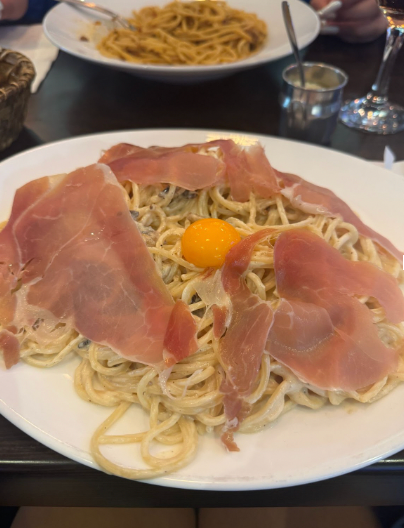
La Dolce Vita was an intimate dining experience right down the street from our hostel. We discovered it one rainy day while we were doing laundry at the nearby laundromat. The restaurant has only one employee - the owner. Although he can’t communicate in English, he definitely conveyed a clear message through his dishes. La Dolce Vita features Italian cuisine with fresh pasta and pizza, at a great price too. My favorite dish was the Carbo Di Parma, a pasta in a white cream sauce, parma ham, and a soft egg on top. It quickly became my go to order and by the end of our stay in Paris, he didn’t even have to hand me a menu to take my order.
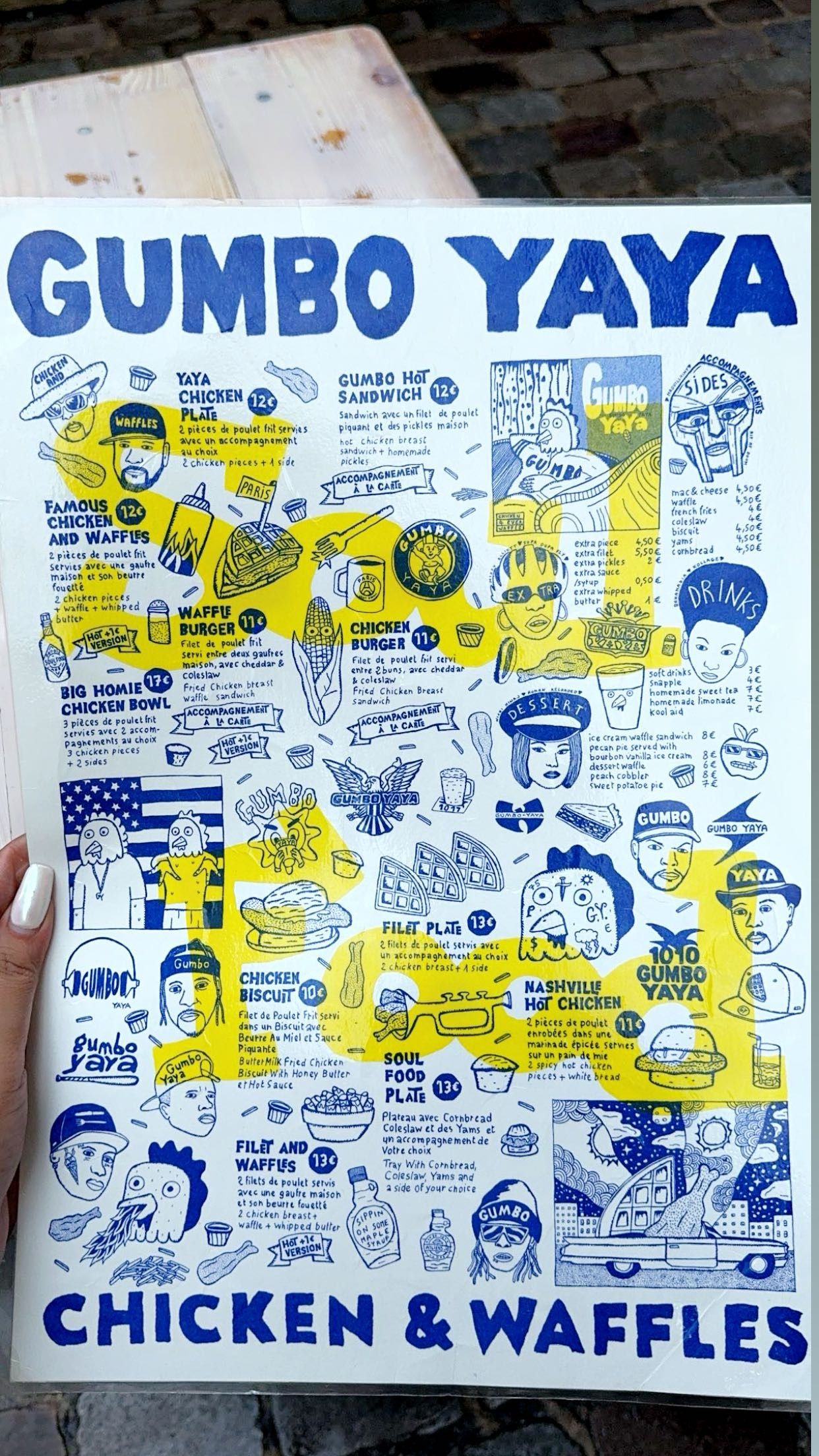
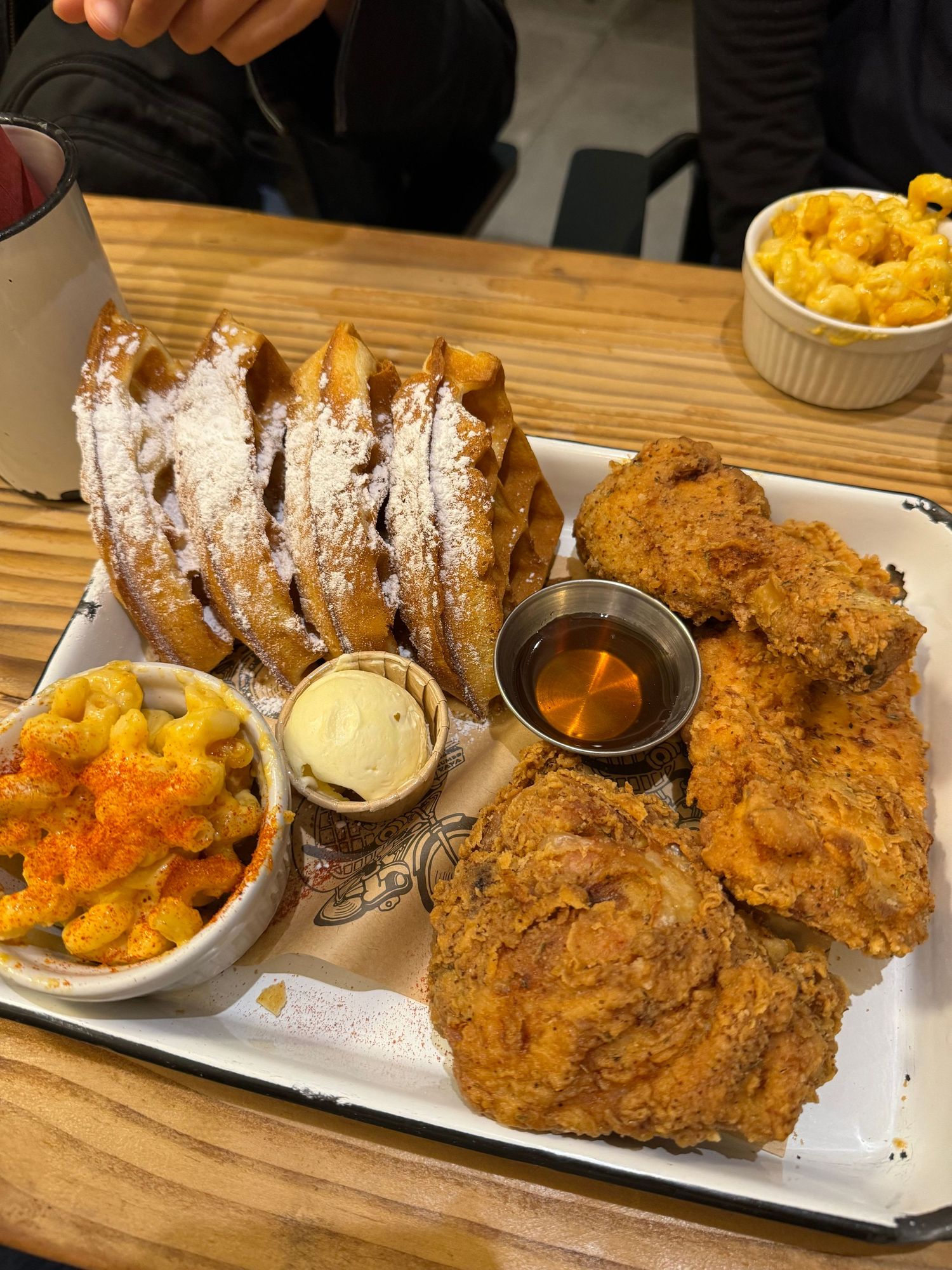
Gumbo Yaya caught our eye one day as we were exiting the metro to head back to our hostel. Despite appearing to be a very small restaurant with only 3 tables inside and 2 tables outside, the line was out the door and to the street. The next night, we went to check it out for dinner and were caught by surprise by the hour-long wait time just to order our food to go. I hate to say it, but it was well worth the wait. Gumbo Yaya is a soul food restaurant that features chicken and waffles, cornbread, mac and cheese, and other classics. The menu has great eye-catching graphics that somehow made the food and atmosphere even better. Each and every visit was a great experience accompanied by savory chicken and sweet waffles.
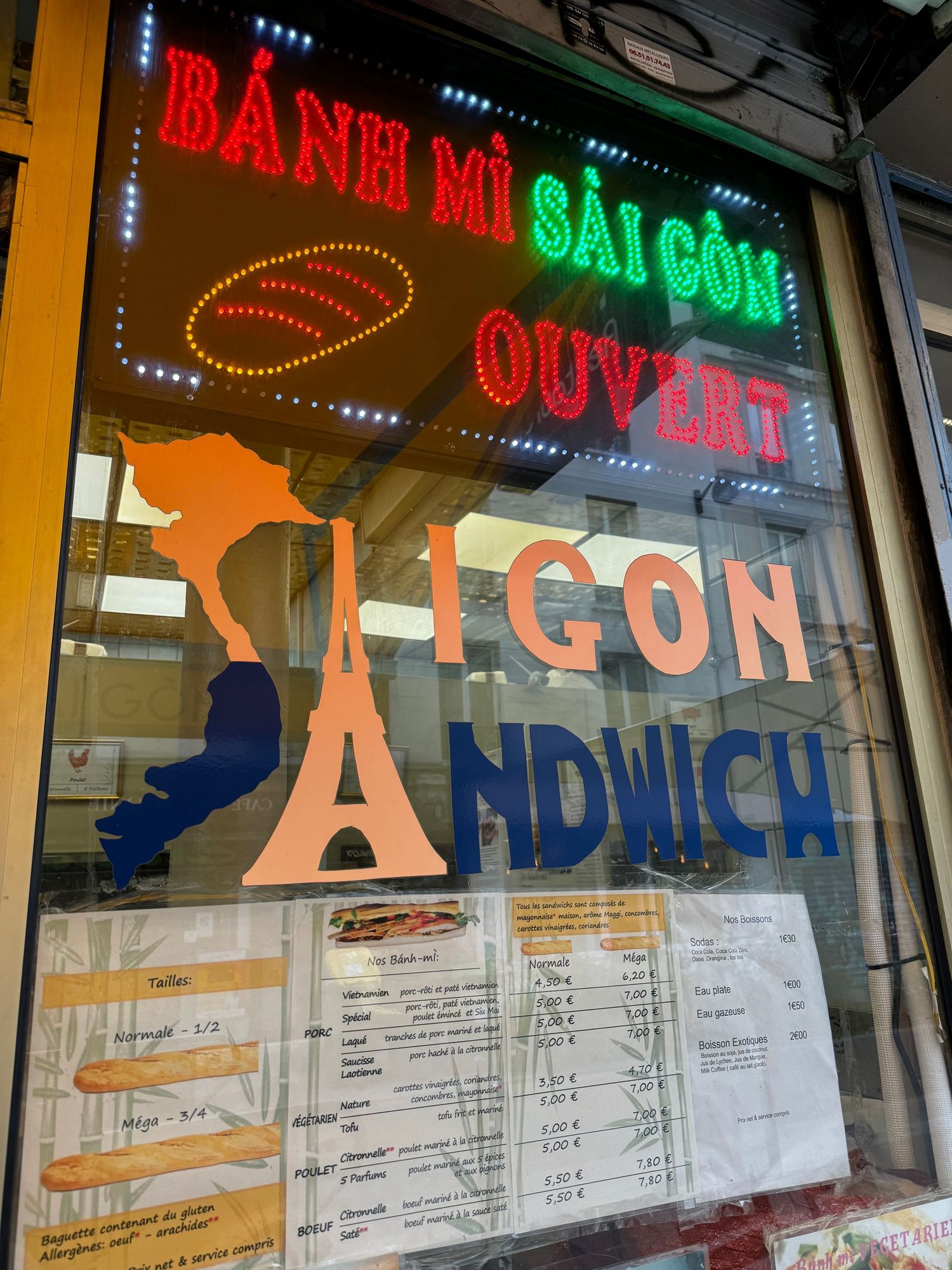
One day, my friend and I set out to find the post office to mail home some postcards to our family. After 45 minutes of walking around with no luck, we started getting extremely hungry and frustrated. Just as our luck would have it, Parisians like to close up shop from 2pm to 5pm for their lunch break. As we turned around to head home, we spotted Saigon Sandwich. It was a little restaurant, so small customers don't even step inside, they take your order at the foot of the door. We each ordered a mega size Banh Mi and were handed back a sandwich using the entirety of a baguette and a drink, for only six euros! I said “Cảm ơn“ which means thank you in Vietnamese and we ate them on the way back to our hostel. The Banh Mi was the perfect solution to our hanger (hunger and anger). It’s a fresh and flaky baguette filled with simple ingredients: pork, pickled carrots, cilantro, and special banh mi sauce. We returned the next day and were greeted with a line down the street, I guess we weren't the only ones who stumbled on this great sandwich shop!
Upon discovering Saigon Sandwich, I began to notice the large Vietnamese presence. Paris's rich Vietnamese cuisine scene is a result of historical connections between France and Vietnam, as well as the migration patterns that followed. My mom has told me endless stories about her family fleeing from Vietnam during the Vietnam War. Most of them live in Paris or in France to this day. During the French colonial period, which began in the late 19th century and lasted until the mid-20th century, Vietnam was part of French Indochina. This period significantly influenced Vietnamese culture, including its culinary traditions. French colonialists introduced various ingredients and cooking techniques to Vietnam, which were then integrated into Vietnamese dishes. When the Vietnamese diaspora began to migrate to France, particularly after the fall of Saigon in 1975, they brought their culinary traditions with them, enriching Paris’s food landscape. One of the most influential parts of France on the Vietnamese was the fresh French baguettes.
The influx of Vietnamese immigrants in the latter half of the 20th century led to the establishment of numerous Vietnamese restaurants and markets in Paris. The city’s large Vietnamese community, centered particularly in the 13th arrondissement, has cultivated a vibrant food scene that reflects a blend of traditional Vietnamese flavors and local adaptations. This area, often referred to as the “Quartier Asiatique,” features a variety of Vietnamese eateries, from casual pho joints to more upscale restaurants offering a broader range of dishes.
Although I’ve never lived in Vietnam, the banh mi reminded me of home. The Vietnamese culture on my mom’s side is something I’ve always cherished, and I’m happy to have stumbled upon it in the streets of Paris.
I could've spent months longer in Paris and never run out of new foods and dishes to try. This just gives me another reason to come back soon.
Sevilla, spain
The Tapas Tradition
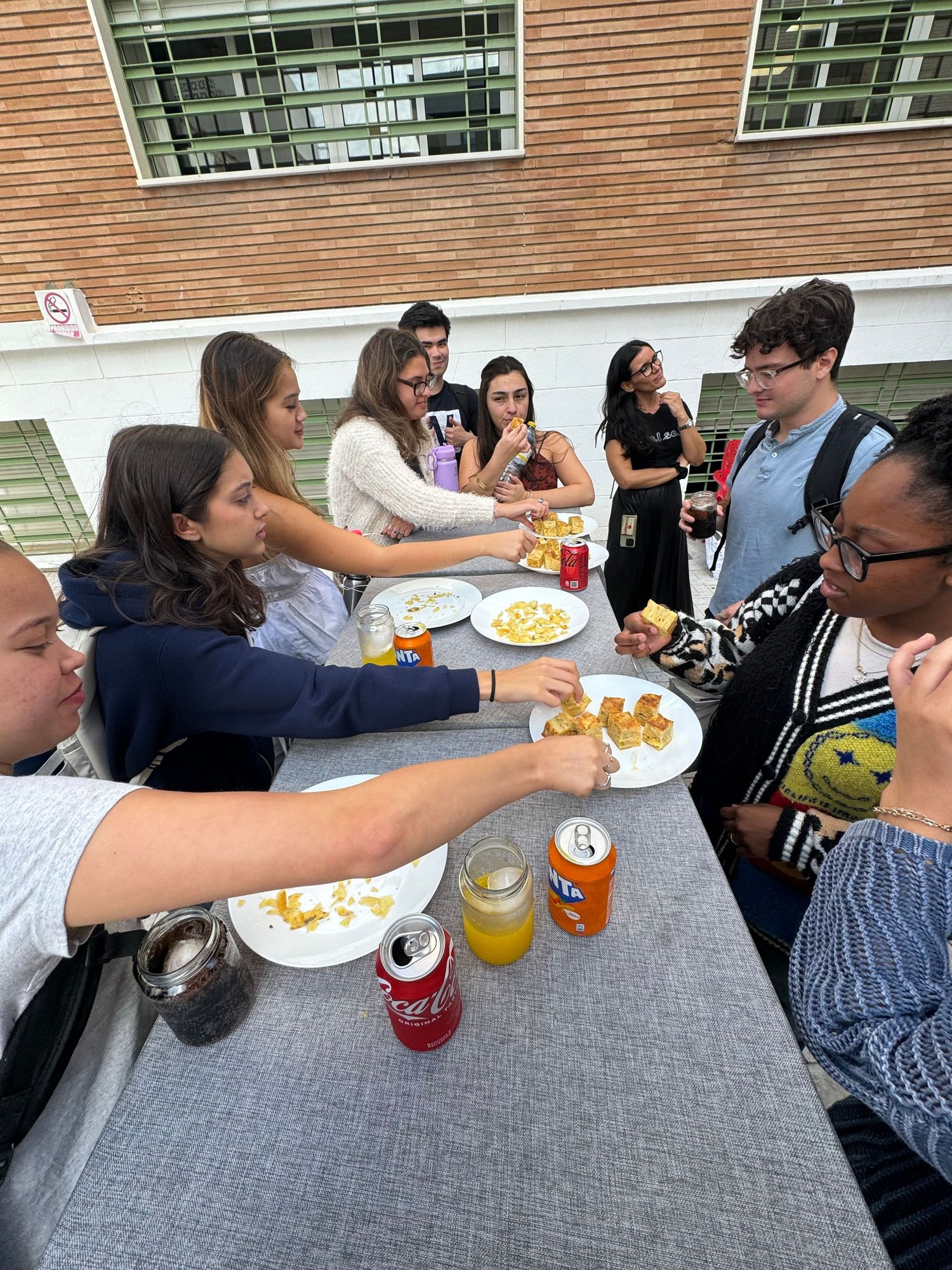
Tapas are much more than just food in Spain—they are a way of life. The tradition of serving small plates dates back centuries and has evolved into one of Spain’s most beloved cultural practices.
In Spain today, tapas come in an endless variety, reflecting regional specialties and local ingredients. Popular tapas include tortilla española (a Spanish omelet made with potatoes and onions), croquetas (crispy, breaded fritters filled with béchamel and ham), and pimientos de padrón (small, blistered green peppers). Tapas can be as simple as a plate of olives or as elaborate as pulpo a la gallega (Galician-style octopus). They are often served alongside drinks like wine, beer, or tinto de verano (a refreshing mix of red wine and soda).
Potatoes: Spain’s Secret Culinary Star
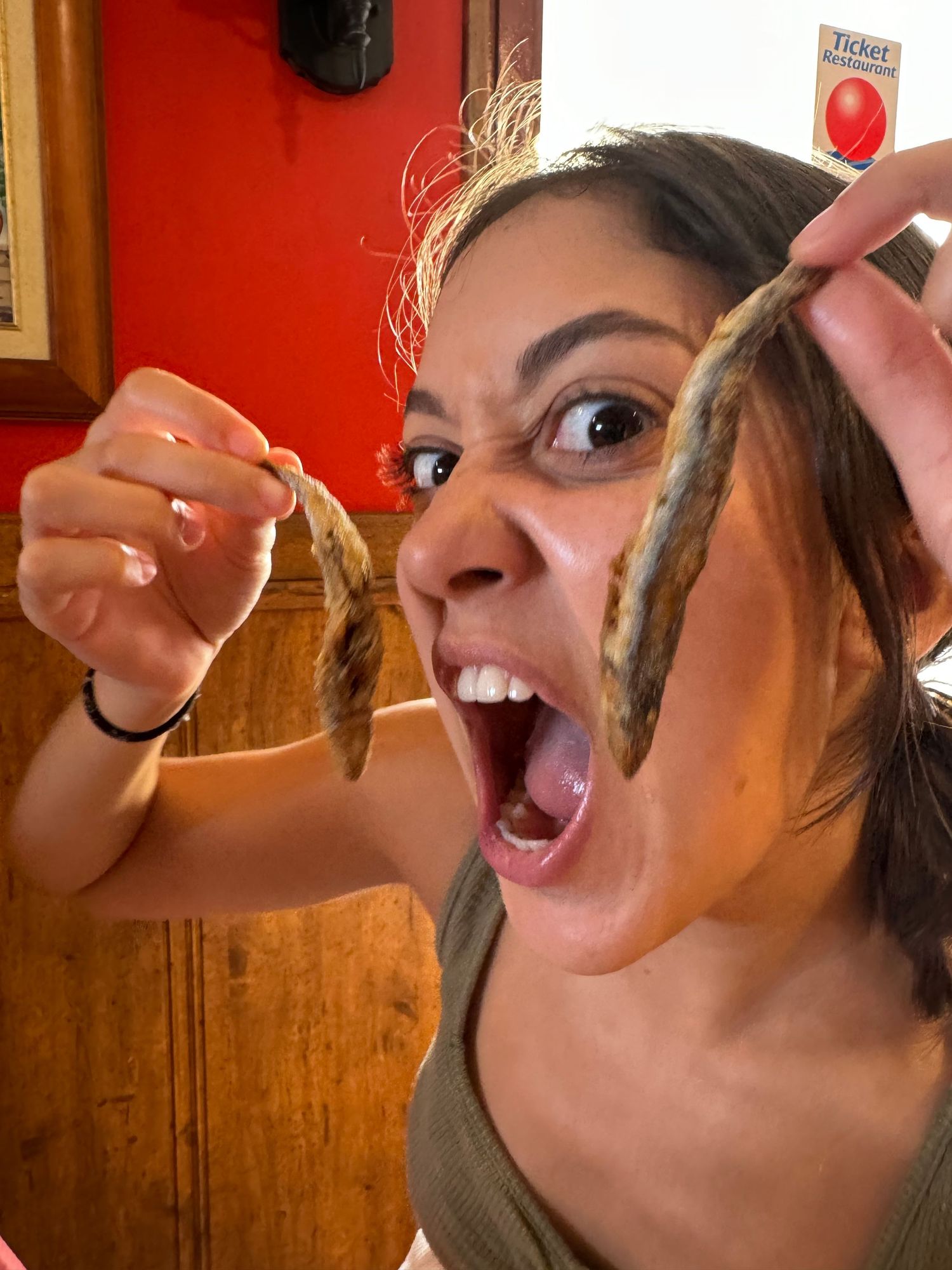
One thing that surprised me about Spanish cuisine is just how many ways they prepare potatoes. Though I expected more Mediterranean staples like olives and tomatoes to dominate, potatoes are a cornerstone of many Spanish dishes. The country’s love affair with potatoes dates back to the 16th century when Spanish explorers brought them from the Americas. Since then, potatoes have become an integral part of the Spanish diet, featured prominently in everything from tapas to hearty main courses. For example, patatas bravas is a quintessential tapa, featuring fried potato cubes smothered in a spicy tomato sauce and aioli.
Traveling through Spain, I realized that potatoes are a blank canvas for Spanish chefs. Their versatility allows them to take on the flavors of each region, from the smoky paprika of patatas bravas to the creamy texture of mashed potatoes in more traditional stews. No matter where you go in Spain, you’ll find the humble potato transformed into something delicious, making it a surprising yet essential part of the Spanish culinary experience.
Madrid, Spain
The History of Paella,
Spain's Most Popular Dish
Paella is often regarded as Spain’s national dish. The name “paella” comes from the Latin word patella, meaning a flat dish, and it also refers to the wide, shallow pan in which the dish is traditionally prepared. Initially, paella was a humble meal prepared by farmers and laborers, who would cook rice over an open fire, adding ingredients like locally caught seafood, vegetables, or game meats, depending on availability.
Over time, paella evolved into a more refined dish, and its most traditional version. This version includes rabbit, chicken, green beans, and saffron, which gives the dish its characteristic golden hue. Saffron remains a critical ingredient. The dish became a symbol of communal dining, often prepared for large gatherings and festivities.
As Spain became more connected to global trade, variations of paella emerged. Paella de mariscos (seafood paella) became popular along the coast, featuring shrimp, mussels, and squid, while mixed versions combined meat and seafood. Today, paella is enjoyed worldwide, but its heart remains in Spain, where it continues to be prepared with pride and authenticity. The dish represents not only the flavors of Spain but also its cultural heritage, showcasing the blend of traditions that make Spanish cuisine so unique.
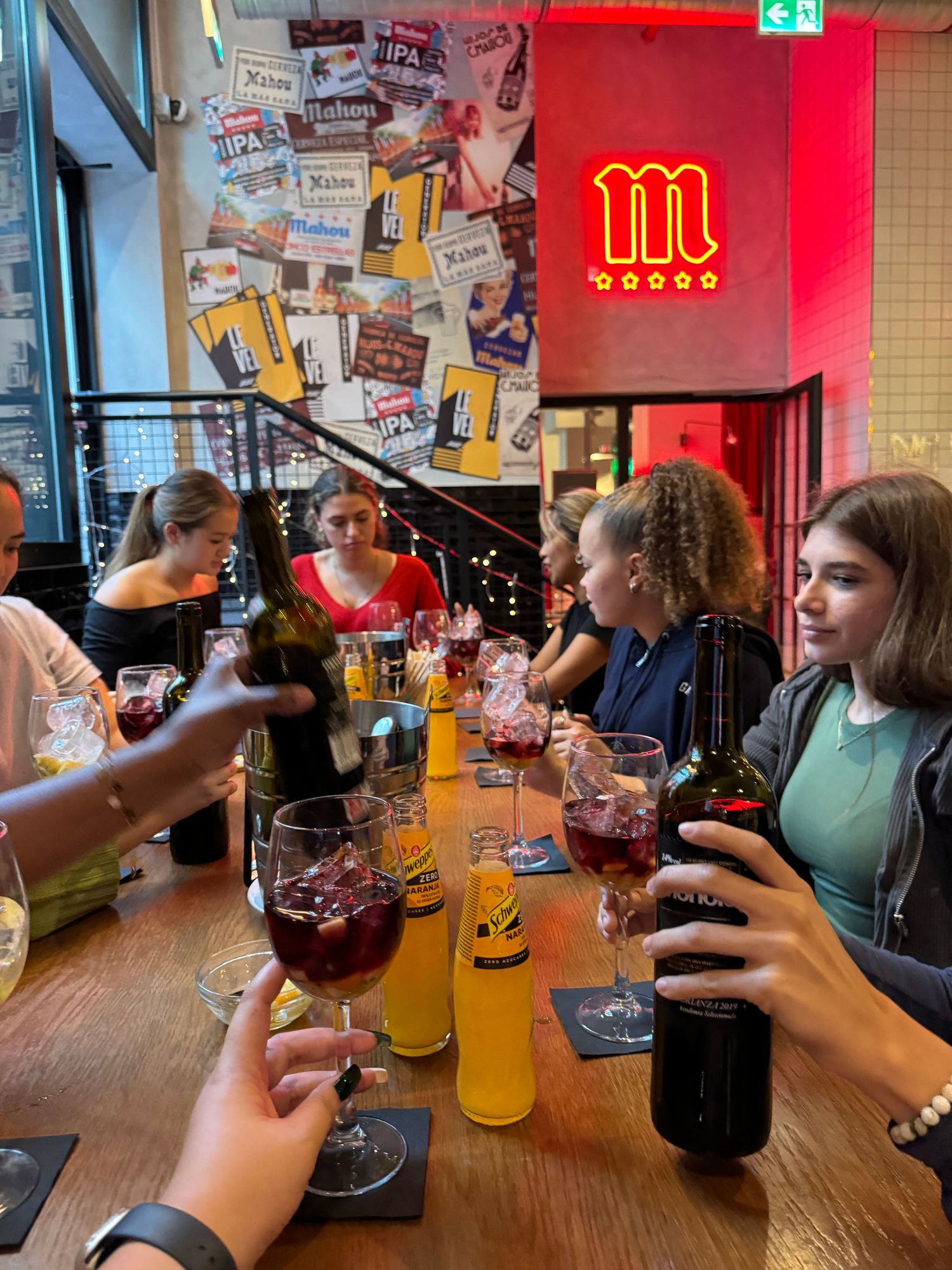
During my time in Madrid, I had the chance to participate in a sangria-making class, which gave me a deeper appreciation for this iconic Spanish drink and how it pairs perfectly with tapas. Sangria, a refreshing mix of red wine, fresh fruit, brandy, and sometimes soda, reveals the vibrant and social spirit of Spanish cuisine. The class was not just about mixing ingredients—it was about understanding the importance of balance and creativity in Spanish food culture.
We learned how to choose the right wine and the fruits, with a focus on layering flavors to create a drink that complements the variety of small plates typically served with it. It wasn’t just about the drink on its own—it was about the act of sharing and savoring together, which is at the heart of Spanish dining culture.
The experience also highlighted how Spanish cuisine celebrates simple, high-quality ingredients in creative ways. Just as sangria turns wine and fruit into a celebration, tapas take everyday ingredients like potatoes and transform them into culinary delights. Both sangria and tapas embody Spain’s ability to elevate the ordinary into something extraordinary, making every meal feel like a special occasion.
dublin, ireland
Ireland’s Culinary Landscape
Irish cuisine is a blend of tradition and simplicity, shaped by its agricultural heritage and coastal geography. While known for hearty, comforting dishes, modern Ireland has embraced a variety of global influences, creating a food culture that mixes old and new. The focus on fresh, local ingredients—whether it’s lamb, beef, dairy, or seafood—makes Irish food both authentic and satisfying.
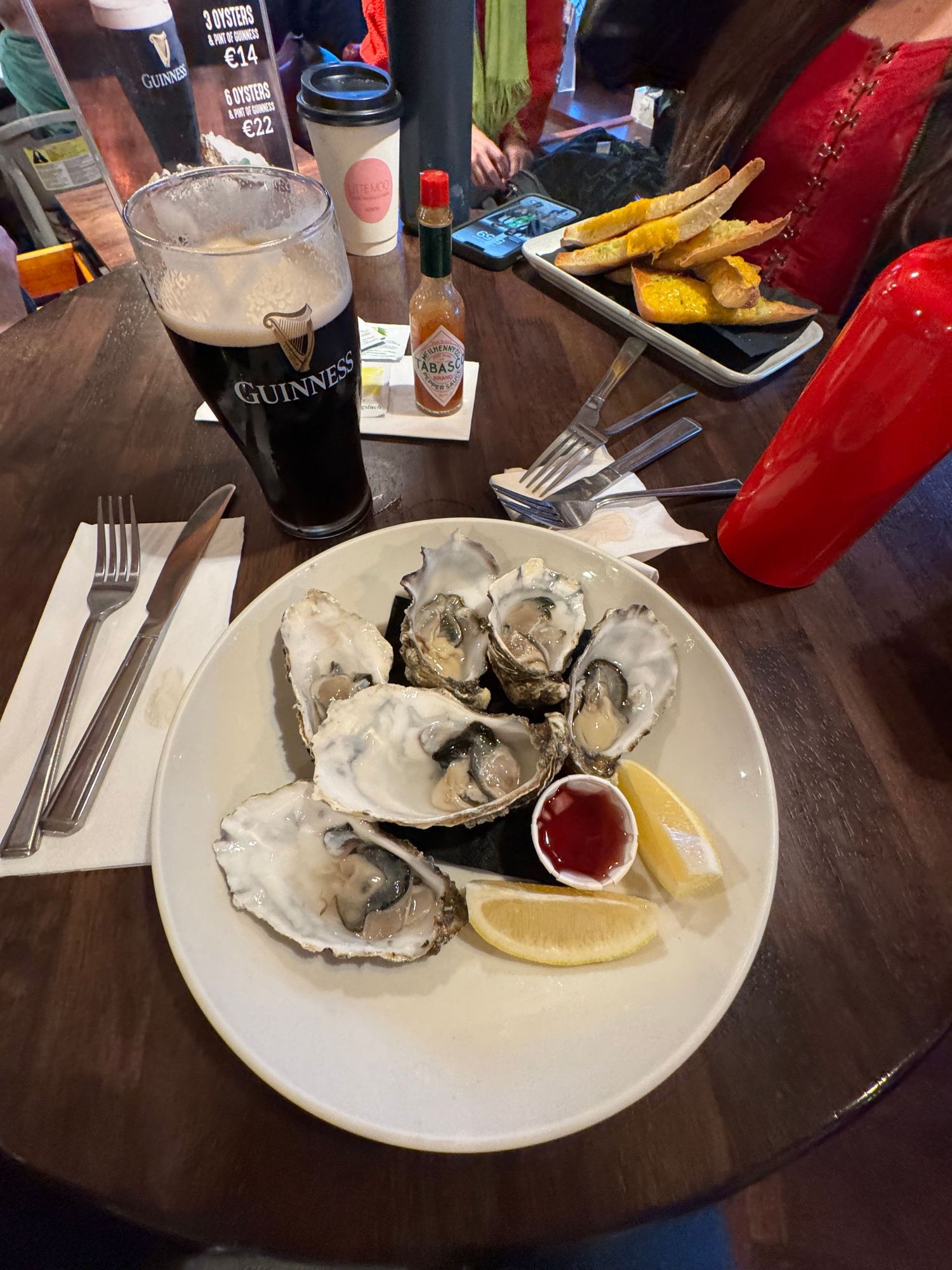
Traditional dishes like fish and chips and beef stew hold a special place in Irish hearts and stomachs. These meals are often enjoyed in cozy pubs, where they pair perfectly with a pint of Guinness or a warm fire on a cold day. However, the modern Irish table is more diverse, with unexpected culinary twists reflecting global trends and a touch of local creativity.
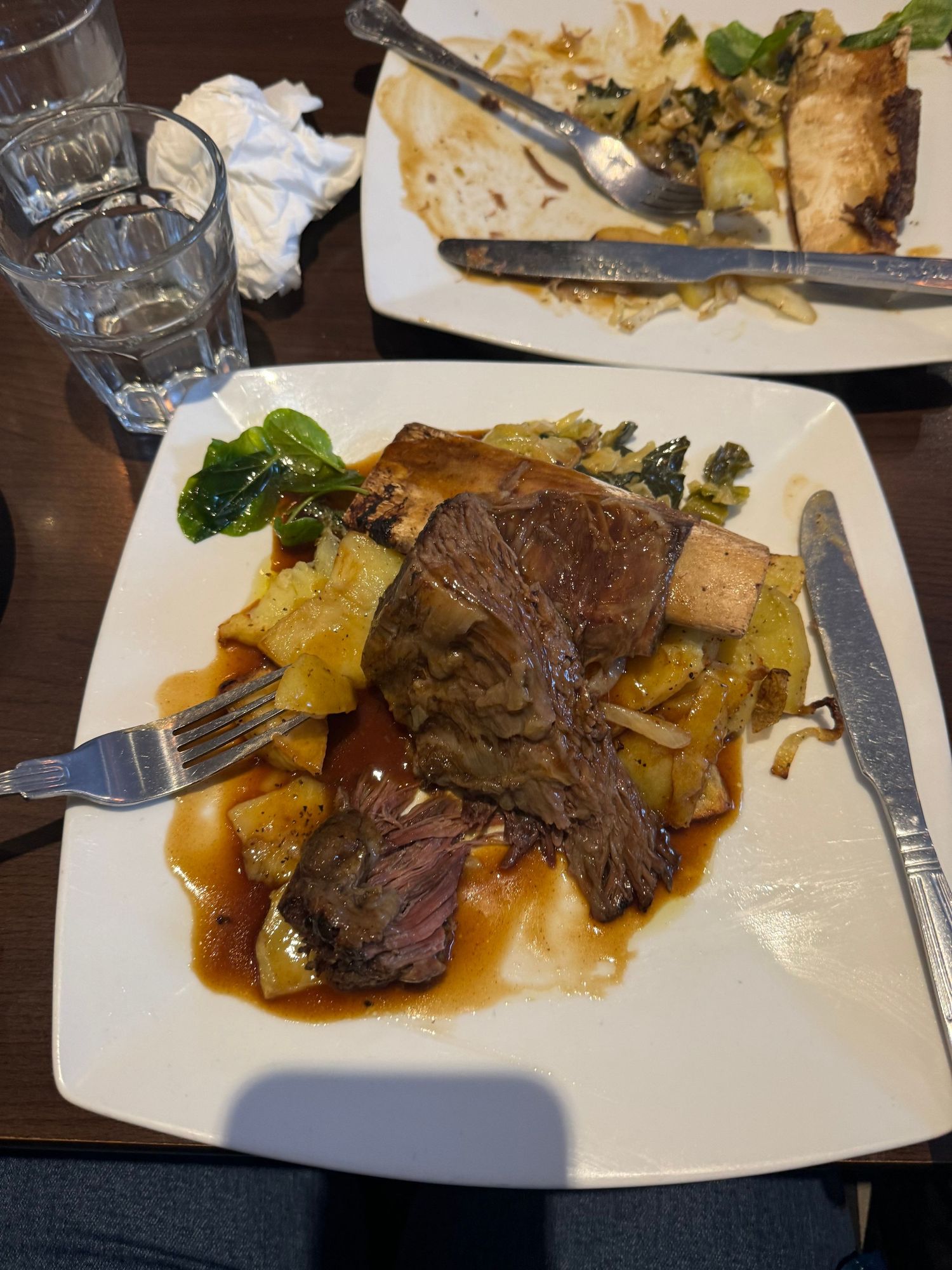
Fish and chips is a staple in Ireland, loved for its simplicity and comfort. Typically made with fresh cod or haddock coated in a golden, crispy batter, the fish is served alongside thick-cut fries, or “chips,” and often accompanied by mushy peas, tartar sauce, or a sprinkle of malt vinegar.
Whether eaten at a seaside takeaway wrapped in paper or served on a plate in a bustling pub, fish and chips embody the casual, convivial spirit of Irish dining. Each bite is a taste of the sea, a reflection of Ireland’s rich fishing traditions and love for comfort food.
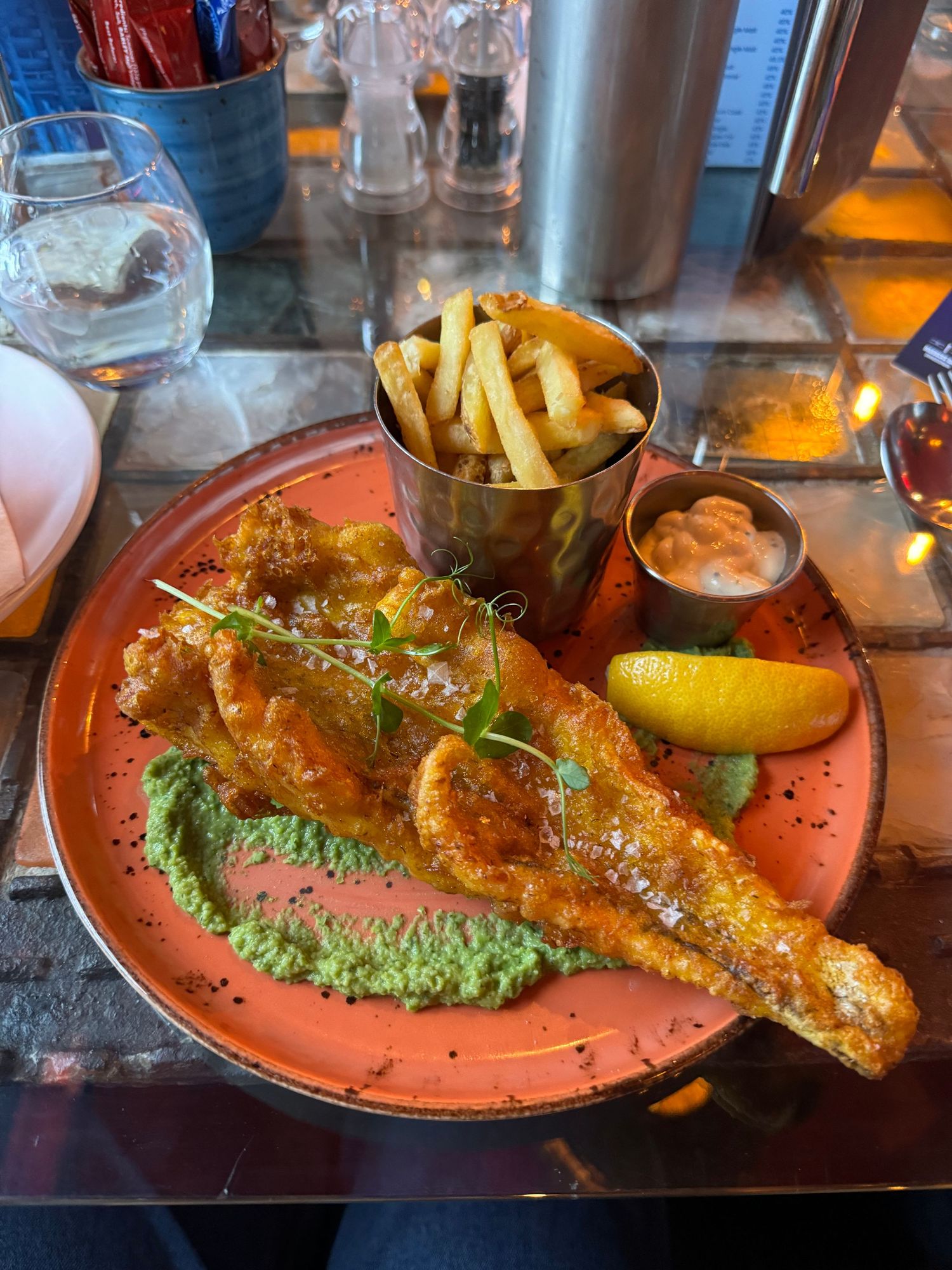
Beef Stew: The Soul of Irish Cooking
Beef stew is another cornerstone of Irish cuisine, often elevated with local ingredients and hearty portions. The Irish version typically features tender chunks of beef, root vegetables like carrots and parsnips, potatoes, and a rich broth infused with Guinness or another stout. The addition of stout gives the stew a deep, earthy flavor that pairs perfectly with the natural sweetness of the vegetables.
Often served with a slice of soda bread or buttered brown bread, Irish beef stew is the kind of meal that warms both body and soul, especially during Ireland’s chilly, rainy days. It’s a dish steeped in history, passed down through generations as a symbol of resilience and resourcefulness.
The Curious Case of Chinese Food with Potatoes and Fries
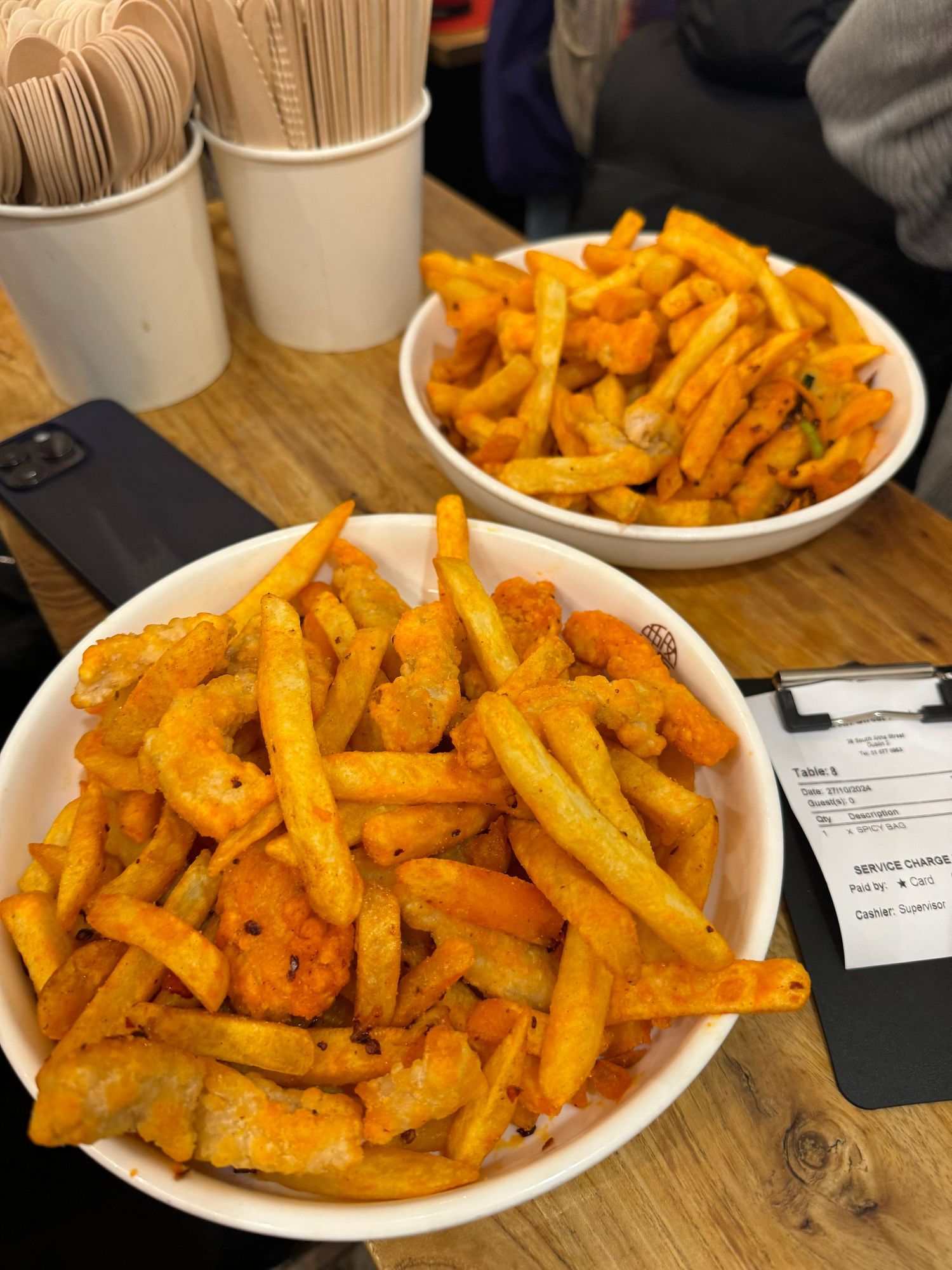
One of the more surprising culinary discoveries in Ireland is the uniquely Irish take on Chinese food, often featuring an unexpected addition: potatoes. Irish-Chinese dishes like “spice bags” or stir-fries sometimes include crispy fries or even chunks of boiled potatoes, blending flavors and textures in a way that feels both odd and intriguing. Spice bags, in particular, are a popular late-night treat, combining fried chicken, chips, peppers, onions, and a mix of Chinese-style spices in one greasy, satisfying package.
This quirky fusion reflects Ireland’s deep-rooted love for potatoes and its willingness to adapt global cuisines to local tastes. While it may raise eyebrows, it’s a perfect example of how Ireland’s culinary landscape continues to evolve, mixing tradition with playful experimentation. There’s no denying that this twist on Chinese food is uniquely Irish.
What will i taste next?
This project highlights my absolute favorite part of my semester abroad: the food. My semester abroad was a journey through the flavors, stories, and traditions of Europe, with food and exploration at the heart of it all. From the cozy restaurants in Paris’s 19th arrondissement, where I became a regular at spots like La Dolce Vita, to the vibrant weekend trips that took me across new cities and countries, every experience added a unique layer to my adventure. Food was my favorite way to connect with the culture—whether savoring a six-euro banh mi from Saigon Sandwich or learning to make sangria in Madrid, each meal told a story. In Spain, tapas and potatoes highlighted the country’s culinary creativity, while in Ireland, hearty stews and quirky dishes blended tradition with modern twists. This project of my travels is a celebration of the places that shaped my experience, the meals that brought cultures to life, and the joy of discovering the world one bite at a time.